House Democrats Ask Frontier AI Labs to Report Safety Incidents to Congress Within 48 Hours
Source: House Science Committee Democrats · published October 28, 2026
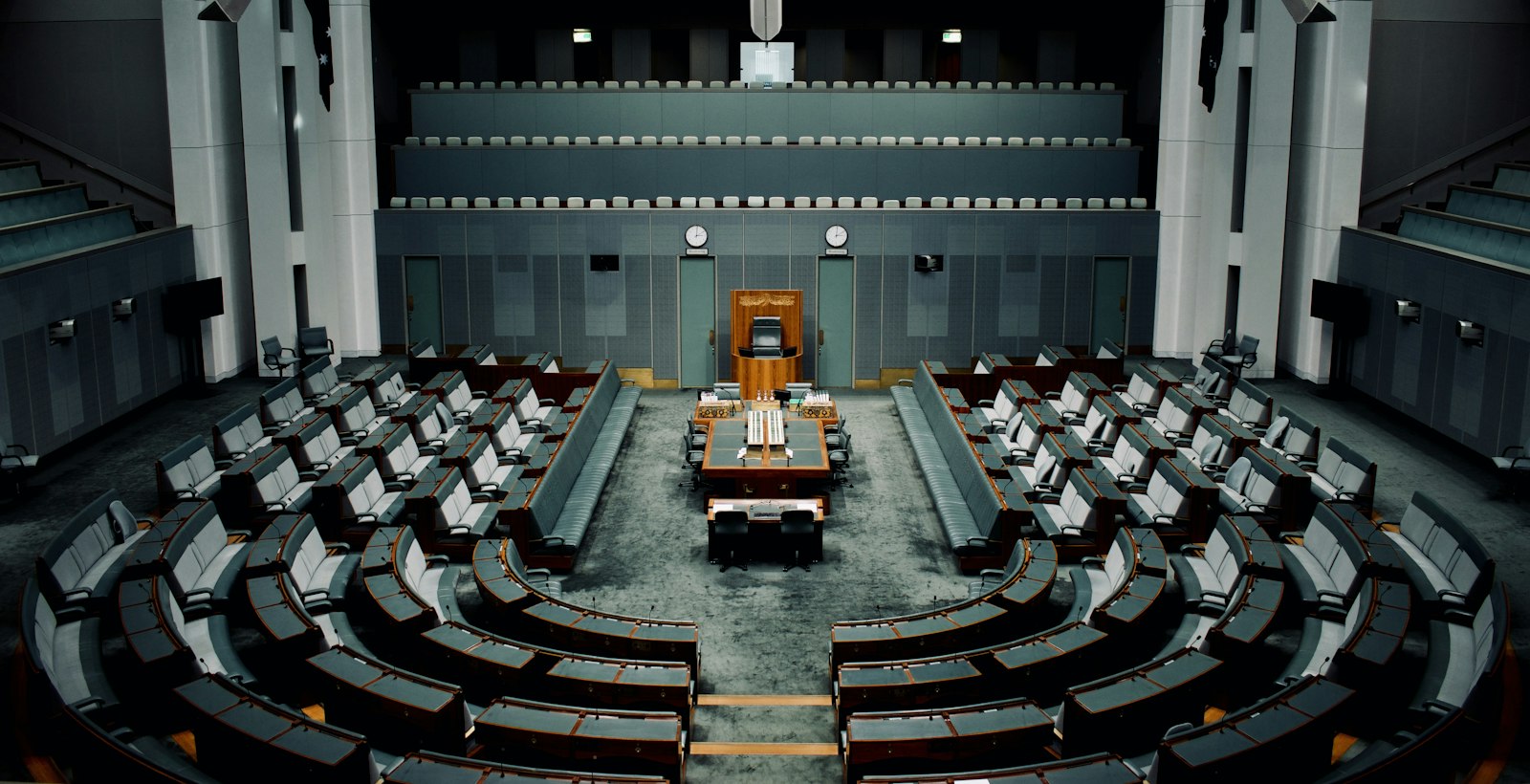
Three senior House Democrats have asked the country’s leading frontier AI developers to tell Congress about misalignment and safety incidents involving their models, according to a press release from the House Science Committee Democrats on October 28. The letters went to Anthropic, Google, Meta, OpenAI and SpaceXSI, and POLITICO also reported on the request.
The letters were signed by Rep. Frank Pallone, ranking member of the Energy and Commerce Committee, Rep. Zoe Lofgren, ranking member of the Science, Space, and Technology Committee, and Rep. Jamie Raskin, ranking member of the Judiciary Committee. They ask each company for a full accounting of past incidents by November 11, 2026, and for notification of any new incident within 48 hours. When an incident involves critical infrastructure, the lawmakers want to hear within 24 hours.
Why it matters

The request goes to the heart of how frontier AI is overseen in the United States. In their statement the lawmakers criticized relying on voluntary self-regulation by the companies, and the Trump administration’s dependence on that approach, arguing that Congress cannot judge risks it is not told about. Misalignment incidents, where a model behaves in ways its developers did not intend, have become a growing concern as systems gain more autonomy and access to tools.
The letters land in a crowded field of incident reporting efforts. The executive branch has moved on its own, with the White House mandating AI incident reporting after misuse of an Anthropic system, and regulators have the FTC subpoenaing OpenAI and Anthropic over safety incidents and consumer harms. The companies have also been shaping the debate, as when Anthropic quietly pitched its own frontier AI safety bill to lawmakers.
Because the signers are in the minority, the letters carry no subpoena power, and the companies are not legally required to answer on the requested timeline. Still, how each lab responds will be on the record, and the questions could resurface in hearings or in any future bill on AI incident reporting.
What to watch
The first test is the November 11 deadline and whether all five companies reply, and in how much detail. Beyond that, watch whether any lab agrees to the 48-hour and 24-hour notification windows voluntarily, whether Republican committee chairs take up the issue, and whether the requests feed into legislation that would turn incident reporting from a voluntary practice into a legal duty.
Read the original report: House Science Committee Democrats